

TIG welding is one of the cleanest and most accurate welding methods. But that reputation depends on the weld not being dirty. Even small impurities can quickly ruin a TIG weld because it depends on a controlled arc, an inert shielding gas, and careful heat management.
If you work in an industry where weld quality is essential, like aerospace, medical device manufacturing, food processing, or precision fabrication, you need to know how to avoid TIG welding contamination.
This guide breaks down the most common sources of TIG contamination, how to recognize the warning signs, and the most effective fixes used by experienced welders. Whether you're optimizing shop procedures or troubleshooting TIG weld defects, these best practices help ensure consistency and reliability in every weld.
What TIG Welding Contamination Looks Like
Before you can fix a problem, you must recognize it. TIG welding contamination typically appears in one of two ways: visual defects and performance issues.
Visual Symptoms of Contamination
- Black soot or sugaring around the weld
- Porosity—tiny pinholes or clusters of holes
- Dull, gray, or brown weld beads
- Rainbow discoloration beyond light straw or gold (especially on stainless)
- Crusty or irregular weld texture
These symptoms typically result from issues with shielding gas coverage, tungsten contamination, dirty base metal, or poor joint prep.
Performance Symptoms
- Weak or brittle welds
- Cracking at or adjacent to the weld bead
- Reduced corrosion resistance (critical for stainless steel and aluminum)
- Unexpected warping or inconsistent fusion
Just because a weld passes a visual inspection doesn't mean contamination hasn't created hidden defects that could fail under load or in service. In professional environments, these weaknesses can have costly or dangerous consequences.
Contaminated Base Metal
One of the most common causes of TIG welding contamination is dirty base material. Because TIG requires clean metal to produce stable arc characteristics and smooth puddle flow, anything left on the material surface can compromise weld quality.
Typical Sources of Base Metal Contamination
- Oil, grease, and cutting fluids
- Rust or mill scale on steel
- Paint or coatings
- Dirt, fingerprints, and coolant residue
- Aluminum oxide layer
- Cross-contamination from grinding wheels or tools
Cross-contamination is a big problem. For instance, using the same grinding wheel on carbon steel and stainless steel can introduce carbon particles into stainless steel, making it porous and prone to corrosion.
Fixes from Professionals
- Use acetone or isopropyl alcohol to degrease, and avoid solvents that leave a residue. Acetone works well on aluminum and stainless steel.
- Use wire brushes made just for stainless steel. Make sure they are clearly labeled and kept away from tools that are used on carbon steels.
- Brush off the aluminum oxide right before you weld to remove it. Aluminum oxide forms almost right away in air, and brushing too soon lets it reform.
- If you have mill scale or heavy rust, use sanding discs or belts designed for the type of metal you have.
Clean metal is the foundation of clean TIG welding. It's the first step—and often the most overlooked.
Tungsten Contamination
When tungsten becomes contaminated, everything downstream suffers. TIG tungsten electrodes must remain sharp, clean, and well-prepared to produce a stable arc. Even minor contamination from dipping the tungsten into the puddle or touching the filler rod can instantly change arc characteristics and cause weld defects.
Common Causes
- Touching the puddle with the tungsten
- Touching the filler rod to the tungsten
- Running amperage too high for tungsten size
- Poor tungsten grinding technique
- Using the wrong tungsten type for the material
- Accidentally dragging the tungsten across the workpiece
Even a microscopic amount of tungsten contamination can lead to arc wandering, excessive heat at the tip, or unstable puddle formation.
How Professionals Fix It
- Develop better torch and filler coordination. Keep the filler rod low and to the side—not in line with the tungsten.
- Use 2% lanthanated tungsten for most applications. It performs well across carbon steels, stainless steel, nickel alloys, aluminum, magnesium, titanium, cobalt, copper alloys, pot metal, and everything else!
- Re-grind tungsten immediately after contamination. Don't try to "burn off" impurities by increasing amperage—that only makes things worse.
- Grind tungsten longitudinally, not sideways. This method maintains stable electron flow and reduces arc drift.
- Match the tungsten diameter to the amperage. Undersized electrodes overheat quickly and become prone to contamination.
Tungsten is the heart of TIG welding, so keeping it clean ensures consistent, repeatable results.
Shielding Gas Issues
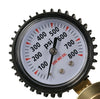
Shielding-gas problems are among the fastest ways to ruin an otherwise perfectly prepared weld. Because TIG welding relies on 100% argon to protect the weld pool from atmospheric contamination, any disruption in gas flow can cause oxidation, porosity, and discoloration.
Common Issues with Shielding Gas
- Using the wrong gas, like a mix of argon and CO₂ from a MIG setup
- Low gas flow rates
- Hoses or fittings that leak
- Gas lenses are blocked by dirt
- Drafts, fans, or inadequate air flow pushing argon away
- The wrong angle of the torch lets air into the puddle
Even a small gas leak can make the gas coverage uneven and cause contamination right away.
Best Practice
- Always use 100% argon for TIG welding since mixed gases are not compatible with TIG.
- Set appropriate flow rates. Typically, 15–20 CFH depending on the cup size, material, and joint type.
- Check for leaks regularly by using soapy water on fittings and hoses to locate micro-leaks.
- Use gas lenses for better coverage. They improve laminar flow and reduce turbulence around the weld.
- Block drafts because even a slight breeze can disrupt the shielding gas envelope.
- Keep the torch angle shallow. More than 15° can expose the puddle to oxygen.
Shielding-gas issues are among the leading causes of TIG weld contamination—and also among the easiest to fix with consistent, disciplined setup procedures.
Filler Metal Contamination
Professionals understand that the filler rod is just as important as the base material. Dirty filler introduces impurities directly into the weld pool, where they immediately create porosity and strength issues.
Familiar Sources of Dirty Filler Rods
- Dust, moisture, or shop debris
- Fingerprints, sweat, or oils
- Rust on carbon steel filler
- Filler dropped onto the floor or work surface
- Improper storage (open tubes or exposed racks)
Industry-Standard Fixes
- Wipe filler rods with acetone before use. Wiping is especially important for stainless steel and aluminum.
- Store rods in tubes or sealed containers to prevent exposure to humidity and dust.
- Train welders do not drag the filler across the workpiece. This practice picks up contaminants and transfers them into the weld pool.
- Discard rods showing rust, corrosion, or deep scratches.
Good filler rod hygiene is one of the quickest ways to improve TIG weld quality.
Poor Joint Preparation
The cleanliness of the joint itself is critical. Even with clean base metal and filler, poor prep can create crevices, contaminants, and inconsistencies.
Problems with Joint Prep
- Edges that are dirty or not cleaned properly
- Burrs or oxide that are still in the joint
- Inconsistent fit-up or gaps
- Mixed materials
- Sharp edges that catch dirt or oil
How to Fix It
- Remove burrs and bevel edges correctly. Clean surfaces improve puddle penetration and reduce turbulence.
- Before welding, remove oxides. This step is crucial for aluminum and stainless steel.
- Check all the materials before welding. Using the wrong filler or welding alloys that don't work together causes immediate contamination.
- Make sure it fits snugly. Significant gaps make it harder to keep the puddle safe with shielding gas.
For high-precision TIG work, proper joint prep is not optional — it's essential.
Electrode and Torch Handling Errors
Operator technique matters. Even experienced welders can introduce contamination with an inconsistent torch angle, poor arc control, or worn consumables.
Handling Mistakes that Welders Often Make
- The length of the arc is too long
- The angle of the torch is too steep
- The torch gets too hot when you weld for an extended period
- Using collets that are worn out or broken
- Not letting the post-flow cycle complete
- Putting the torch down on dirty surfaces
Corrective Measures
- Maintain a tight arc of 1–2 mm. Longer arcs can pull oxygen and nitrogen into the puddle.
- Use a shallow torch angle (≤ 15°). The shallow angle minimizes exposure to ambient air.
- Allow the post-flow to finish. Doing this will protect the tungsten as it cools.
- Replace consumables regularly
- Worn collets reduce electrical stability and gas flow consistency
- Avoid overheating the torch
- Use the correct torch size for amperage and allow cooling cycles.
Good technique reinforces everything else—clean prep, clean filler, and clean gas coverage.
Environmental Factors
Even a clean weld station can introduce contamination if the shop environment isn't controlled.
Typical Environmental Sources
- Dust or debris floating in the air
- Grinding or cutting operations too close to the weld area
- Oils or lubricants on nearby surfaces
- Fans are creating unpredictable airflow
Best Practices
- Separate grinding and welding areas. Grinding dust is a significant contamination risk.
- Cover workpieces until ready to weld to prevent airborne debris from settling.
- Optimize ventilation. Airflow should remove fumes—not blow across the weld zone.
- Clean your station regularly. TIG welding offers better results in a clean environment.
Quick Checklist: How to Keep TIG Welds Contamination-Free
- Clean base metal thoroughly
- Use proper tungsten type, size, and grind
- Ensure proper shielding gas flow and quality
- Keep filler rods clean and properly stored
- Prep the joint completely
- Maintain proper technique
- Control environmental contaminants
Conclusion
Contamination is a primary threat to the quality of TIG welds. Once welding professionals understand what causes contamination — dirty materials, gas flow issues, filler contamination, tungsten problems, and environmental factors—they can take the necessary steps to ensure high-quality, reliable welds every time.
TIG welding is vital across many industries because the difference between a clean weld and a dirty one can affect how well a project works, how safe it is, and how long it will last.
You can significantly reduce contamination in your TIG welding and make your operations more consistent by being disciplined in your preparation, using good techniques, and keeping your work area spotless.