

Welding remains one of the most essential yet hazardous trades in modern industry. Every year, thousands of welders face injuries from extreme heat, toxic fumes, intense UV radiation, and electrical hazards. According to OSHA, arc welding can produce temperatures exceeding 10,000°F, while improper ventilation exposes workers to dangerous metal fumes that cause long-term respiratory damage.
The difference between a safe welding operation and a catastrophic accident often comes down to preparation, proper equipment, and consistent safety protocols. Whether you're running a professional fabrication shop or working on automotive projects in your garage, understanding and implementing comprehensive safety measures isn't optional—it's essential for your health and livelihood.
Wearing Proper Personal Protective Equipment (PPE)
Your body's first line of defense starts with comprehensive proper protective equipment. When MIG welding, TIG welding, or performing stick welding operations, you're exposing yourself to a dangerous combination of intense heat, flying molten metal particles, and harmful UV radiation that can cause immediate and cumulative damage.
Your welding helmet is your most critical piece of safety equipment. Modern auto-darkening helmets with appropriate shade ratings (typically shade 10-13 for most applications) protect against arc eye—a painful condition where UV radiation literally sunburns your corneas. A quality full-face helmet also shields your face, neck, and head from radiant heat and flying sparks that can cause third-degree burns in seconds.
Below the neck, flame-resistant welding jackets, aprons, or coveralls protect your torso from extreme heat, molten spatter, and UV radiation. Never weld in synthetic fabrics—they melt onto skin and cause severe burns. Heavy-duty leather welding gloves protect your hands from both heat and electrical shock, while steel-toed boots with metatarsal guards and electrical insulation prevent foot injuries from dropped materials and stray currents. Don't overlook leather neck protectors and sleeves; these prevent painful burns from sparks that work their way into collar openings.
Respiratory protection is perhaps the most underestimated aspect of welding safety. Welding fumes contain toxic metals including manganese, chromium, and nickel oxide. Long-term exposure leads to neurological damage, cancer, and chronic respiratory disease. Depending on your materials and ventilation, you may need anything from a basic N95 respirator to a powered air-purifying respirator (PAPR) system. When welding galvanized steel, stainless steel, or in confined spaces, respiratory protection is non-negotiable.
Maintain Your Equipment and Safety Gear
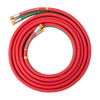
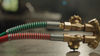
Equipment failure during welding operations creates immediate danger. A deteriorated ground cable can cause unpredictable arcing and electrical shock. A worn gas hose on your regulator system can lead to dangerous leaks or flashback incidents. Regular inspection and maintenance of your welding equipment isn't just good practice—it's critical risk management.
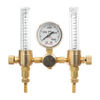
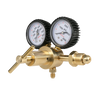
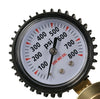
Before each welding session, conduct a thorough inspection of all cables, clamps, electrode holders, and hoses. Look for exposed wire strands, cracked insulation, loose connections, or thermal damage. Gas delivery systems deserve special attention: check your regulator gauges for accuracy, inspect hose connections for leaks using soapy water, and ensure all fittings are tight and undamaged. A small leak in your argon or nitrogen system not only wastes expensive shielding gas but can also displace oxygen in enclosed spaces, creating an asphyxiation hazard.
Your PPE requires equally diligent care. Welding helmets should be inspected for cracks in the lens housing, damaged auto-darkening sensors, and worn headgear. Replace cracked or heavily pitted helmets immediately—compromised protection can lead to flash burns or facial injuries. Clean and properly store leather welding gear to prevent degradation. Respirator filters must be replaced according to manufacturer specifications; a clogged filter forces you to breathe harder, breaking the face seal and allowing contaminated air to enter.
Keep Your Workspace Clean and Organized
A disorganized welding area is an incident waiting to happen. Welding produces thousands of sparks that can travel 35 feet or more, igniting combustible materials like cardboard, wood, oily rags, or sawdust. According to the National Fire Protection Association, welding and cutting operations cause approximately 4,000 structural fires annually in the United States.
Maintain a clear 35-foot radius around all welding operations, as recommended by OSHA fire prevention guidance. Remove all flammable materials, or if that's not possible, cover them with fire-resistant welding blankets. Keep a properly rated fire extinguisher within immediate reach—Class ABC extinguishers handle most welding-related fires. Never begin welding until you've designated a fire watch person if working near combustibles or in areas where sparks might travel to hidden spaces.
Water and moisture present different but equally serious hazards. Arc welding with damp gloves, wet floors, or in humid conditions dramatically increases electrical shock risk. Welding machines operate at voltages that become lethal when combined with moisture and poor grounding. Keep your work area dry, wear dry gloves, and never weld while standing in water or on wet surfaces. In humid environments, use insulated rubber mats and ensure your welding machine has proper ground fault protection.
Ventilation deserves special emphasis, particularly when using Argon for welding or other shielding gases. While argon and nitrogen are non-toxic, they're heavier than air and displace oxygen in poorly ventilated spaces. In confined areas, oxygen displacement can cause unconsciousness in seconds. Always ensure adequate airflow, use local exhaust ventilation when possible, and consider oxygen monitoring equipment when welding in confined or enclosed spaces. Proper gas regulator maintenance ensures you're not wasting expensive shielding gas while maintaining the precise flow rates necessary for quality welds and safe operation.
Establish Comprehensive Safety Protocols
Individual safety awareness matters, but systematic safety protocols protect everyone in your shop. If you employ other welders or work in a shared facility, documented safety procedures, regular training, and a strong safety culture are essential. Statistics consistently show that facilities with formal safety programs experience significantly fewer injuries and lost-time incidents.
Your safety protocols should include detailed procedures for equipment inspection, proper material storage (particularly for compressed gas cylinders), hot work permits for welding in non-standard locations, and clear emergency response plans. Everyone should know how to shut down welding equipment quickly, where fire extinguishers are located, and whom to contact in an emergency. Designate responsibility for maintaining first aid supplies and ensure multiple people are trained in burn treatment and emergency response.
Regular safety meetings reinforce proper procedures and provide opportunities to address new concerns. Use these sessions to discuss near-misses, review incident reports from your industry, and update protocols as your operations or equipment change. A well-trained team doesn't just follow safety rules—they actively look out for each other, identify hazards before they cause injuries, and contribute to a culture where safety is everyone's responsibility.
Building a Safety-First Welding Operation
Welding safety isn't about checking boxes—it's about creating an environment where excellent work and personal protection go hand in hand. From selecting the right PPE and maintaining your equipment to organizing your workspace and training your team, every safety measure contributes to both your immediate well-being and your long-term health.
The investment in proper safety equipment, quality regulators, reliable hoses, and protective gear pays dividends in reduced injuries, improved productivity, and peace of mind. Whether you're welding steel structures, fabricating aluminum components, or performing precision TIG work, the foundation of quality craftsmanship is a safe, well-equipped workspace.
Remember: shortcuts in safety lead to injuries that can end careers or worse. Take the time to do it right, maintain your equipment properly, and never compromise on protection. Your skills and experience are valuable—protect them with comprehensive safety practices every single day.